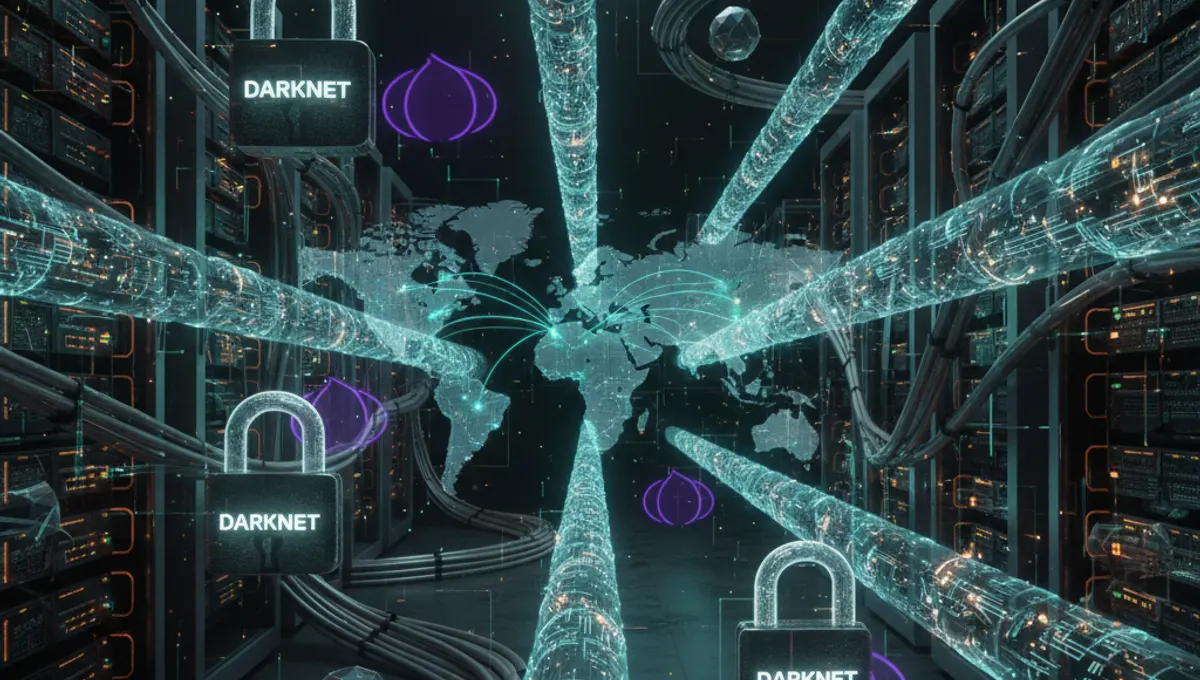
What Are Dark Web Video Sites
Dark web video sites are platforms hosted on .onion domains, accessible exclusively through Tor Browser. Unlike mainstream video platforms, these sites operate with minimal content moderation and user verification. They range from legitimate repositories of censored information to platforms hosting illegal content. Video hosting on the dark web typically involves decentralized storage methods and encrypted streaming protocols. Users access these sites by connecting through multiple Tor nodes, which masks their IP address and browsing activity. The infrastructure supporting these platforms often relies on cryptocurrency payments and anonymous account creation to maintain user privacy and site operations.
Categories of Dark Web Video Content
Dark web video sites host diverse content categories. News and documentary sites provide uncensored reporting from regions with restricted media access. Educational platforms offer technical tutorials and academic content. A dark web news site might cover geopolitical events without mainstream editorial constraints. Dark web gore sites contain graphic violence and disturbing imagery. Dark web adult sites feature explicit content with varying legal status depending on jurisdiction. Dark web hacking sites distribute tutorials on cybersecurity techniques and penetration testing. These categories coexist on the same networks, though reputable sites maintain strict content policies. Users should understand that content legality varies significantly by country and platform moderation standards differ dramatically.
How Dark Web Video Sites Operate
Video hosting on the dark web requires specialized infrastructure. Sites use distributed server networks to prevent takedowns and maintain uptime. Streaming protocols often employ adaptive bitrate technology similar to surface web platforms, but with additional encryption layers. Payment systems typically utilize monero or bitcoin for transactions and subscriptions. User accounts operate pseudonymously without email verification requirements. Video uploads face minimal automated scanning, relying instead on manual moderation or community reporting. Bandwidth limitations often result in lower video quality compared to mainstream platforms. Site administrators implement various security measures including DDoS protection and intrusion detection systems. The technical complexity of maintaining these platforms means many sites experience frequent downtime or migration to new .onion addresses.
Accessing Dark Web Video Sites Safely
Safe access requires multiple security layers beyond Tor Browser. Users should operate from a dedicated virtual machine or use Tails OS to isolate their browsing environment. JavaScript should be disabled in Tor Browser settings to prevent fingerprinting attacks. VPN usage before connecting to Tor adds additional anonymity, though this remains debated among security experts. Never maximize browser windows, as this reveals screen resolution data. Disable plugins and extensions that might leak identifying information. Use strong, unique passwords for any accounts created on these platforms. Avoid downloading files unless absolutely necessary, as malware distribution occurs frequently on dark web sites. Keep Tor Browser updated to patch security vulnerabilities. Never enable plugins like Flash or Java, which bypass Tor entirely.
Legal and Ethical Considerations
Accessing dark web video sites exists in legal gray areas depending on jurisdiction and content type. Viewing certain content may violate local laws even if the platform itself operates legally elsewhere. Many countries prosecute users for accessing specific material categories regardless of where hosting occurs. Ethical considerations extend beyond legality; consuming content produced through exploitation or violence contributes to demand for such material. Some dark web sites operate legitimately, hosting whistleblower content, censored journalism, or privacy-focused educational material. Users must distinguish between legal access to restricted information and participation in illegal activity. Law enforcement agencies actively monitor dark web platforms and maintain honeypot sites designed to identify users. Understanding jurisdiction-specific laws before accessing any dark web video site remains essential.
Risks and Threats on Dark Web Platforms
Dark web video sites present multiple security and safety risks. Malware distribution occurs through video files, advertisements, and fake download links. Phishing attacks target users through fake login pages and credential harvesting. Law enforcement operates undercover sites to identify and prosecute users accessing illegal content. Scams involving fake payment systems or non-functional subscriptions are common. Malicious actors use these platforms for social engineering and identity theft. Exit node operators can potentially intercept unencrypted traffic. Some sites inject tracking code or fingerprinting scripts despite Tor's anonymity features. Users may encounter disturbing content unexpectedly, particularly on unmoderated platforms. Financial loss through cryptocurrency theft or fraudulent transactions occurs regularly on these networks.
Alternatives to Dark Web Video Platforms
Legitimate alternatives exist for most content types found on dark web sites. Uncensored news comes from international outlets like BBC, Reuters, and independent journalism platforms. Educational content is available through legitimate online courses and academic repositories. Privacy-focused communication occurs through encrypted messaging apps like Signal. Whistleblowing platforms like SecureDrop provide secure channels for journalists. Documentary content is accessible through streaming services and public archives. Technical tutorials exist on mainstream platforms with proper security disclaimers. These alternatives provide similar content without the associated risks of dark web platforms. Using legitimate services reduces exposure to malware, law enforcement operations, and exploitative content. Supporting legal platforms encourages continued production of quality, ethical content.
Frequently asked questions
Is accessing dark web video sites illegal?
Legality depends on content type and jurisdiction. Accessing news or educational sites is generally legal, while viewing certain content may violate local laws. Many countries prosecute users for accessing specific material categories regardless of hosting location. Always research your jurisdiction's laws before accessing any dark web platform.
How do I safely access dark web video sites?
Use Tor Browser with JavaScript disabled, operate from a virtual machine or Tails OS, disable plugins, and never maximize your browser window. Avoid downloading files unless necessary. Keep Tor Browser updated and use strong, unique passwords. Consider using a VPN before connecting to Tor for additional anonymity.
What types of content are on dark web video sites?
Content ranges from uncensored news and documentaries to educational tutorials, adult material, and graphic violence. Some sites host legitimate whistleblower content and censored journalism, while others distribute illegal material. Content moderation varies dramatically between platforms.
Are dark web video sites monitored by law enforcement?
Yes, law enforcement agencies actively monitor dark web platforms and operate undercover sites to identify users accessing illegal content. Many arrests result from dark web activity. Users should understand that anonymity is not absolute and law enforcement has sophisticated tracking capabilities.
What are the main risks of using dark web video sites?
Risks include malware distribution, phishing attacks, scams, law enforcement operations, and exposure to disturbing content. Exit node operators may intercept traffic, and tracking code can compromise anonymity. Financial loss through cryptocurrency theft is common on these platforms.