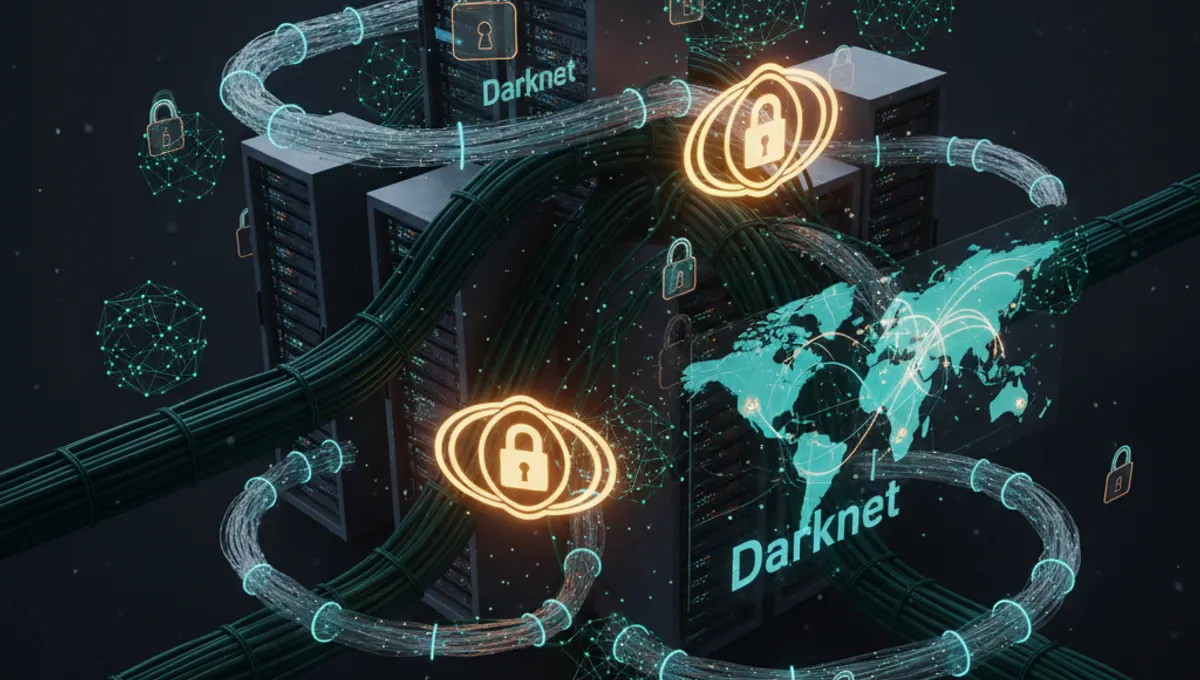
How Dark Web Sales Marketplaces Operate
Dark web sales platforms function similarly to conventional e-commerce sites but with enhanced anonymity features. Vendors list products, buyers browse catalogs, and transactions occur through cryptocurrency, primarily Bitcoin or Monero. Most marketplaces use escrow systems where funds are held by the platform until the buyer confirms receipt, protecting both parties. Reputation systems based on user reviews help establish trust in an environment where traditional identity verification is absent. The best dark web apps incorporate multi-signature wallets and encrypted messaging to minimize fraud. Transaction speeds vary depending on the marketplace infrastructure and network congestion, with some completing within hours while others take days.
Types of Products and Services
Dark web sales encompass diverse categories. Digital goods like software, databases, and tutorials represent a significant portion of transactions. Physical items also move through these channels, though shipping presents logistical challenges. Services including hacking assistance, document forgery, and consulting are commonly advertised. The top dark web marketplaces typically organize listings into sections with search functionality to help users navigate offerings. Some platforms specialize in specific niches while others maintain broad inventories. Pricing varies dramatically based on product rarity, seller reputation, and market demand. Quality and authenticity remain persistent concerns since buyers cannot inspect items before purchase.
Security and Anonymity Considerations
Participants in dark web sales rely on multiple security layers. The Tor network provides IP address masking, while cryptocurrency transactions offer pseudonymity rather than true anonymity. Best dark web browsers like Tor Browser include built-in protections against fingerprinting and tracking. Users typically employ additional security measures including VPNs, dedicated devices, and operating systems designed for privacy. Marketplace operators implement security features such as PGP encryption for communications and multi-factor authentication for accounts. However, no system is completely secure. Law enforcement agencies have successfully infiltrated major platforms, and individual operational security failures remain a primary vulnerability. Users must understand that anonymity tools provide protection but not immunity.
Marketplace Evolution and Disruption
Dark web sales platforms experience constant evolution due to law enforcement pressure and technical improvements. Major marketplaces have been shut down through coordinated international operations, forcing the community to adapt. Decentralized alternatives have emerged to reduce single points of failure, though they typically offer less user-friendly experiences. The best dark web apps now incorporate features learned from previous platform failures, including better security protocols and distributed architecture. Vendor migration between platforms occurs regularly when sites face compromises or closure threats. This instability creates opportunities for scams as new platforms establish credibility. The marketplace landscape remains highly dynamic, with platforms rising and falling based on security, reputation, and operational competence.
Risks and Legal Implications
Engaging in dark web sales carries substantial legal risks depending on jurisdiction and transaction type. Many items sold are illegal in most countries, and purchasing them constitutes criminal activity. Law enforcement agencies monitor dark web activity and have successfully prosecuted buyers and sellers. Digital forensics can sometimes trace cryptocurrency transactions despite anonymity efforts. Beyond legal consequences, users face scams from dishonest vendors, malware embedded in downloads, and theft by marketplace administrators. The absence of consumer protection mechanisms means disputes cannot be resolved through conventional channels. Best dark web books on the subject emphasize that anonymity provides no protection against criminal prosecution if evidence is obtained through other means. Users should carefully consider whether participation aligns with their legal and ethical standards.
Accessing Platforms Safely
Those researching dark web sales should prioritize operational security. The best dark web browser remains Tor Browser, which receives regular security updates and is purpose-built for anonymity. Operating system choices matter significantly, with dedicated privacy-focused distributions offering advantages over standard systems. Users should disable JavaScript in Tor Browser settings to prevent certain attack vectors. Cryptocurrency transactions should use privacy coins like Monero when possible, though Bitcoin remains more widely accepted. Never maximize browser windows, as this can aid fingerprinting. Use unique usernames and avoid reusing credentials across platforms. Assume that any marketplace could be compromised or operated by law enforcement. Maintain separate devices for dark web activity and regular internet use when feasible.
Understanding Cryptocurrency Transactions
Cryptocurrency forms the backbone of dark web sales, with Bitcoin and Monero being most prevalent. Bitcoin transactions are pseudonymous but traceable through blockchain analysis, creating risks for users who fail to implement proper mixing techniques. Monero provides stronger privacy through ring signatures and stealth addresses, making transaction tracing significantly more difficult. Marketplace escrow systems typically hold cryptocurrency until transactions complete, introducing counterparty risk. Wallet security is critical, as compromised private keys result in permanent fund loss. Users should understand that exchange services converting cryptocurrency to fiat currency often require identity verification, potentially compromising anonymity. Transaction fees vary based on network congestion and chosen confirmation speed. Irreversible transactions mean buyer protection depends entirely on marketplace reputation systems and escrow mechanisms rather than payment processor chargebacks.
Frequently asked questions
What is the safest way to access dark web sales platforms?
Use Tor Browser on a dedicated device or virtual machine with a privacy-focused operating system. Enable all security settings in Tor Browser, disable JavaScript, and never maximize your window. Use a VPN before connecting to Tor for additional protection. Maintain strict operational security by never reusing usernames or personal information across platforms.
Can dark web sales transactions be traced by law enforcement?
Yes, law enforcement agencies employ blockchain analysis and other techniques to trace cryptocurrency transactions. Bitcoin transactions are particularly vulnerable to analysis. While Tor provides IP anonymity, other operational security failures can compromise users. Monero offers stronger privacy protections. No system guarantees complete protection from determined law enforcement investigation.
What are the main risks of participating in dark web sales?
Legal prosecution for purchasing illegal items, scams from dishonest vendors, malware in downloaded files, and theft by marketplace administrators represent primary risks. Cryptocurrency transactions are irreversible, and marketplace escrow systems offer limited protection. Marketplace shutdowns can result in fund loss. Users also face risks from operational security failures and law enforcement infiltration of platforms.
How do dark web marketplaces handle disputes between buyers and sellers?
Most platforms employ escrow systems where funds are held until the buyer confirms receipt. Reputation systems based on user reviews help establish trust. However, dispute resolution mechanisms are limited compared to conventional e-commerce. If a marketplace is compromised or shut down, disputes often cannot be resolved. Users have no recourse equivalent to payment processor chargebacks.
Why is Monero preferred over Bitcoin for dark web transactions?
Monero uses ring signatures and stealth addresses to obscure transaction details, making blockchain analysis significantly more difficult than with Bitcoin. Bitcoin transactions are pseudonymous but traceable through analysis. Monero provides stronger privacy by default, though fewer marketplaces accept it. Bitcoin remains more widely accepted despite weaker privacy properties.