What Are Dark Web Information Sites
Dark web information sites are platforms hosted on the Tor network that provide news, research, archives, and documentation. Unlike surface web resources, these sites operate with enhanced anonymity protections and often focus on topics subject to censorship or surveillance. Information sites differ from marketplaces or forums by prioritizing content delivery over transactions or community discussion. They include news outlets, whistleblowing platforms, academic archives, and historical documentation centers. Many serve journalists investigating sensitive topics or researchers studying restricted subjects. The best dark web sites in this category maintain editorial standards and verify sources before publication. Access requires Tor Browser, which routes your connection through multiple encrypted relays, protecting your identity while browsing.
News and Journalism Platforms
Several dark web information sites focus on independent journalism and news reporting. These platforms publish investigations, breaking news, and analysis on topics mainstream outlets may avoid. ProPublica maintains a Tor mirror for readers in restrictive regions. The Intercept operates a secure submission system for sources sharing sensitive documents. BBC and other major outlets offer Tor versions of their sites, ensuring access for users in countries with internet restrictions. These journalism-focused information sites employ encryption, anonymous sourcing, and secure communication protocols. They serve as alternatives for readers seeking perspectives outside their local media landscape. Quality news sites on the dark web employ fact-checking, editorial review, and transparent correction policies. Many collaborate with established journalists and maintain professional standards despite operating anonymously.
Archives and Research Resources
Dark web information sites include archives preserving documents, research, and historical materials. The Library of Alexandria project maintains collections of books, academic papers, and reference materials. Archive.org operates Tor access points for researchers unable to reach the surface web version. These repositories serve academics, historians, and students requiring access to materials that may be geographically restricted or censored. Research-focused information sites often specialize in specific fields like medicine, technology, or social sciences. Some archive whistleblowing documents, government records, and leaked materials for historical preservation. The best dark web sites in this category organize content systematically, provide search functionality, and maintain metadata for proper citation. They operate as digital libraries ensuring knowledge preservation and equitable access to information regardless of geographic location or political circumstances.
Privacy and Security Documentation
Information sites dedicated to privacy and security provide guides, tutorials, and technical documentation. These platforms explain encryption methods, secure communication practices, and digital rights concepts. The Electronic Frontier Foundation maintains educational resources about privacy law and digital security. Security-focused information sites publish vulnerability research, software reviews, and best practices for protecting personal data. They serve users seeking to understand surveillance, anonymity tools, and data protection strategies. Documentation on these sites covers Tor Browser configuration, VPN selection, and secure messaging applications. Many include threat models helping users assess their specific security needs. The best dark web sites in this category distinguish between theoretical concepts and practical implementation. They provide step-by-step instructions, troubleshooting guides, and updated information reflecting current security landscapes and emerging threats.
How to Access Information Sites Safely
Accessing dark web information sites requires Tor Browser, the legitimate anonymity tool developed by the Tor Project. Download Tor Browser only from the official website to avoid compromised versions. Install it on a dedicated device or virtual machine for additional security. Connect to Tor, allowing several seconds for connection establishment before browsing. Use HTTPS connections when available, indicated by a padlock icon in your browser. Disable JavaScript in Tor Browser settings to prevent certain tracking techniques. Never maximize your browser window, as screen resolution can aid identification. Avoid opening multiple tabs simultaneously, which may correlate your activity. Don't install additional browser extensions that could compromise anonymity. Keep Tor Browser updated to receive security patches. Consider using a VPN before connecting to Tor for additional privacy layers, though this adds complexity. Verify information site addresses through multiple sources before visiting, as phishing sites mimic legitimate platforms.
Evaluating Information Site Credibility
Assessing credibility of dark web information sites requires critical evaluation since anonymity enables both legitimate journalism and misinformation. Check whether the site provides author attribution, publication dates, and source citations. Verify claims against multiple independent sources before accepting information as accurate. Look for editorial policies, correction procedures, and transparency statements about funding or organizational structure. Established information sites often have surface web presence or recognition from mainstream media. Cross-reference content with academic databases, government records, or other verified sources. Assess whether the site distinguishes between reporting, analysis, and opinion. Quality information sites acknowledge uncertainty, present multiple perspectives, and avoid sensationalism. Check if the platform has been mentioned in journalism or academic contexts. Be skeptical of sites making extraordinary claims without substantial evidence. Consider the site's track record over time, noting whether previous reporting has proven accurate. Understand that anonymity doesn't guarantee accuracy, and some information sites contain propaganda or misinformation.
Legal Considerations for Accessing Information
Accessing dark web information sites is legal in most jurisdictions, though laws vary significantly by country. Using Tor Browser itself is legal in the United States, European Union, and most democracies. However, accessing specific content may violate local laws depending on what information is restricted in your region. Some countries criminalize possession of certain documents or research materials regardless of where they're hosted. Whistleblowing platforms may be illegal to access in authoritarian regimes. Journalists and researchers should understand their local legal landscape before accessing sensitive information. Some dark web information sites host materials related to illegal activities, which may be illegal to possess depending on jurisdiction. Distinguish between accessing information for research purposes and distributing it further. Legal protections for journalists and researchers vary by country and situation. Consider consulting legal counsel if you're accessing information that might be restricted in your location. Understand that your ISP may log your connection to Tor, though Tor itself encrypts your browsing activity.
Frequently asked questions
What is the safest dark web information site to visit?
Established news outlets and archives like BBC, ProPublica, and Archive.org maintain Tor mirrors with strong security practices. These sites employ professional security teams and editorial oversight. Start with well-known organizations rather than obscure platforms. Verify addresses through multiple sources before visiting. Use updated Tor Browser and follow security best practices like disabling JavaScript and avoiding window maximization.
Can I access dark web information sites on my phone?
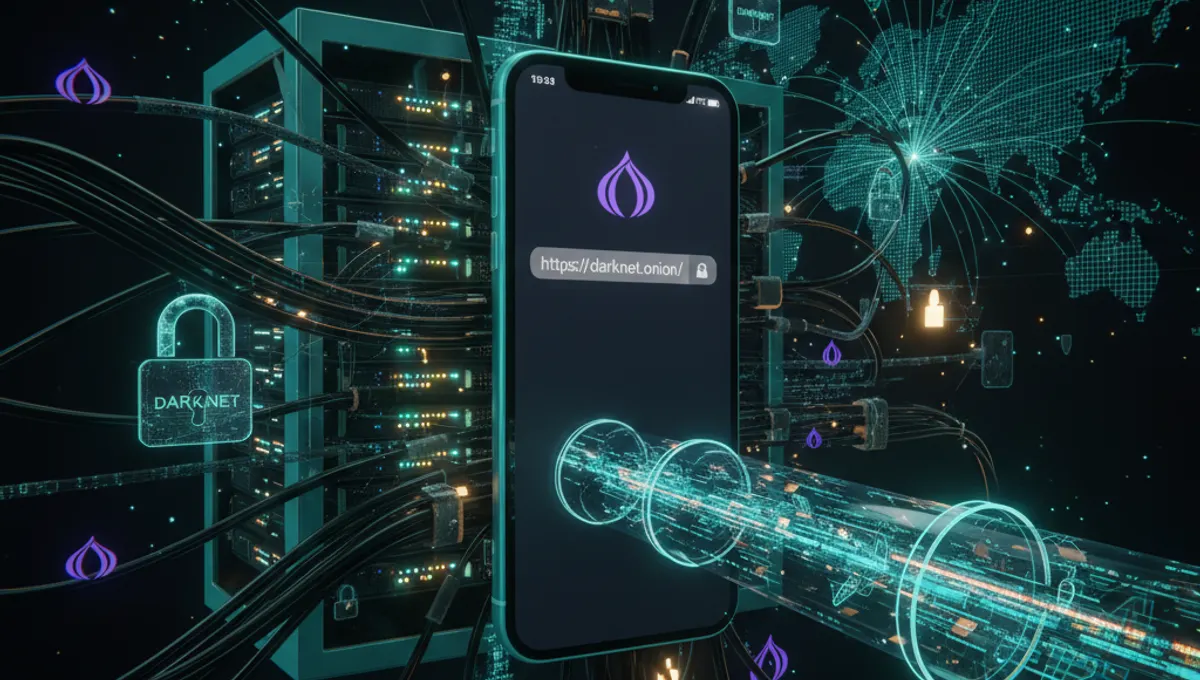
Yes, Tor Browser is available for Android devices through the official Google Play Store or direct download. iOS access is more limited but possible through Onion Browser. Mobile access carries additional risks due to smaller screens making phishing easier to execute. Consider using a dedicated device rather than your primary phone. Mobile devices may have less security than computers, so exercise extra caution.
Are all dark web information sites anonymous?
Most dark web information sites operate anonymously, but anonymity levels vary. Some sites identify their operators or organizations, while others remain completely anonymous. Anonymity doesn't guarantee legitimacy or accuracy. Established news organizations often maintain transparent editorial structures even on Tor. Evaluate credibility based on content quality, sourcing, and track record rather than anonymity level alone.
How do I know if a dark web information site is legitimate?
Check for author attribution, publication dates, source citations, and correction policies. Verify claims against multiple independent sources. Look for surface web recognition or mentions in academic and journalistic contexts. Assess whether the site acknowledges uncertainty and presents multiple perspectives. Be skeptical of sensationalized claims lacking substantial evidence. Quality information sites maintain professional standards despite operating anonymously.
What should I do if I find illegal content on an information site?
Report it to appropriate authorities in your jurisdiction. Most countries have cybercrime units accepting reports about illegal content. Document the URL and content details for your report. Don't download or distribute the material further. If you're a journalist or researcher, consult legal counsel about your obligations and protections regarding the content.