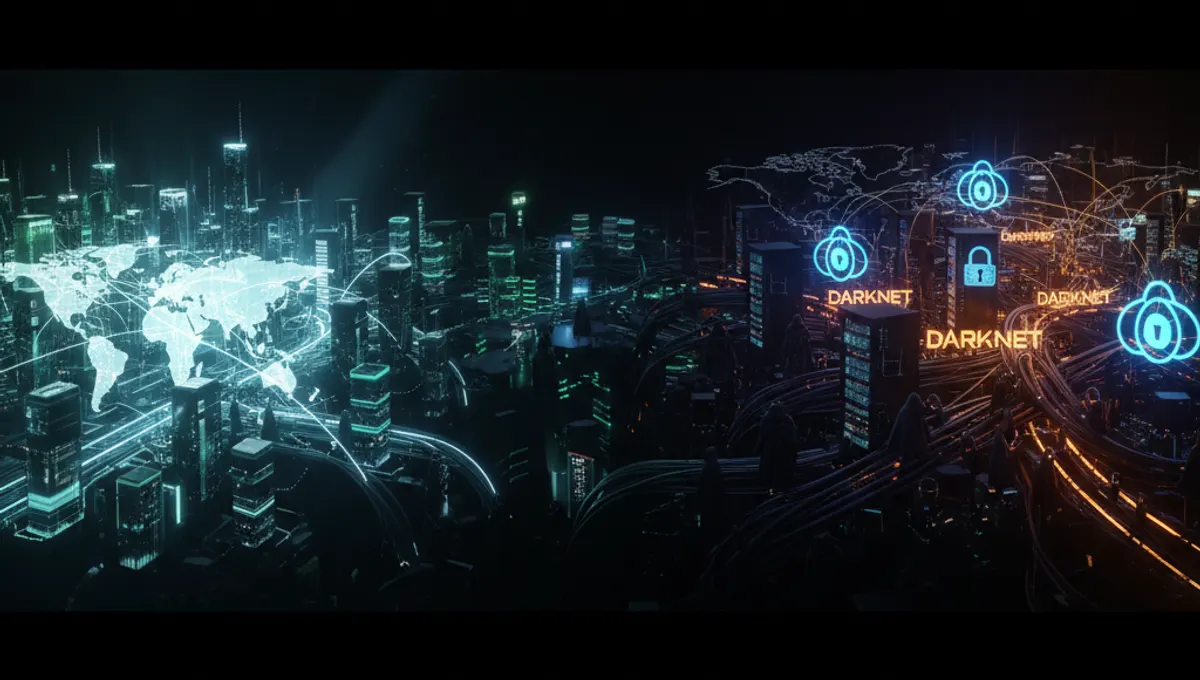
The Clear Web: The Visible Internet
The clear web represents approximately 4-10% of the entire internet and includes everything indexed by search engines. This layer contains websites, blogs, social networks, email services, and online shopping platforms. When you search Google or visit Wikipedia, you're on the clear web. These sites are publicly accessible, don't require authentication, and are subject to standard regulations and copyright laws. ISPs can track your activity here, and websites collect data through cookies and analytics. The clear web operates on standard HTTP and HTTPS protocols, making it straightforward to access from any browser.
The Deep Web: Private but Legal
The deep web comprises roughly 90% of the internet and includes all content not indexed by search engines. This includes email accounts, banking portals, medical records, academic databases, and subscription services. Legal organizations use the deep web to protect sensitive information. Your Gmail inbox, Netflix account, and online banking are part of the deep web. These sites require login credentials and are protected by firewalls and paywalls. The deep web isn't inherently illegal or dangerous—it's simply private. Accessing it requires authentication, and most people interact with the deep web regularly without realizing it.
The Dark Web: Anonymity and Access
The dark web is a small portion of the deep web intentionally hidden and accessible only through anonymization software like Tor Browser. It uses encrypted networks and routing protocols that obscure user identity and location. The dark web hosts legitimate content including privacy-focused forums, whistleblowing platforms, and censorship-resistant communication tools. However, it also hosts illegal marketplaces and content. Accessing the dark web itself is legal in most countries, but many activities conducted there are not. The dark web operates on .onion domains and requires specific software to access, making it fundamentally different from the clear web and standard deep web.
Key Differences Between the Three Layers
The clear web is indexed, public, and easily searchable. The deep web is private but accessible with credentials, containing legitimate institutional data. The dark web is intentionally hidden, requires specialized software, and prioritizes anonymity. Speed differs significantly—the clear web is fastest, the deep web varies by service, and the dark web is slower due to encryption and routing. Legal status matters too: the clear web operates under standard laws, the deep web contains private but legal content, and the dark web hosts both legal and illegal material. Understanding these distinctions helps you recognize which layer you're accessing and what protections apply.
Why These Distinctions Matter
Knowing the difference between clear web, deep web, and dark web helps you make informed decisions about online privacy and security. Most people never need to access the dark web for legitimate purposes. However, journalists, activists, and privacy-conscious individuals may use it for protected communication. The deep web protects your banking and medical information automatically. The clear web requires active privacy measures like VPNs and privacy-focused browsers. Conflating these layers leads to misconceptions about internet safety. Recognizing that the dark web isn't inherently evil, just different, provides perspective on online security threats and opportunities.
Safe Navigation Across Internet Layers
On the clear web, use strong passwords, enable two-factor authentication, and consider a VPN for privacy. For deep web services like banking, verify URLs carefully and use official apps when available. If accessing the dark web, download Tor Browser only from the official source, keep your operating system updated, and never maximize your browser window to prevent fingerprinting. Assume all dark web content is potentially dangerous—malware, scams, and law enforcement operations exist there. Never enable plugins or extensions on Tor Browser, and disable JavaScript if you're unfamiliar with security implications. Each layer requires different security approaches based on its unique characteristics.
Common Misconceptions
The dark web isn't a lawless wasteland—it has communities, norms, and consequences for violations. The deep web isn't secret or suspicious—it's just private and protected. Accessing the dark web doesn't automatically make you anonymous or illegal. Using Tor Browser is legal in most countries and doesn't indicate criminal intent. Not all dark web content is illegal, though illegal content certainly exists there. The clear web isn't completely unsafe, and the dark web isn't completely safe. These are tools and spaces with different purposes, accessibility levels, and security implications. Understanding the nuance prevents both paranoia about the internet and dangerous underestimation of real risks.
Frequently asked questions
Is accessing the dark web illegal?
Accessing the dark web itself is legal in most countries. Using Tor Browser and visiting .onion sites doesn't violate laws. However, many activities conducted on the dark web are illegal, including buying drugs, weapons, or stolen data. Law enforcement monitors dark web activity, and engaging in illegal transactions carries serious legal consequences regardless of anonymity tools.
What percentage of the internet is the dark web?
The dark web represents a tiny fraction of the internet, estimated at less than 1% of the total. The deep web comprises roughly 90%, while the clear web makes up about 4-10%. Most internet users never interact with the dark web and have no reason to. The vast majority of online content and services exist on the clear web and legitimate deep web services.
Can I access the dark web on my phone?
Yes, Tor Browser is available for Android devices. However, mobile access carries additional security risks. Phones have more vulnerabilities, and the smaller screen makes it easier to miss security warnings. Desktop access with updated security software is generally safer. If using mobile, ensure your device is fully updated and avoid downloading files unless absolutely necessary.
Why would someone use the deep web?
Most deep web usage is routine and legal. You use the deep web when checking email, accessing banking portals, streaming subscriptions, or viewing medical records. These services require authentication to protect your privacy and security. The deep web isn't mysterious—it's simply the private portion of the internet that search engines can't index due to paywalls and login requirements.
Is my information on the dark web?
Your information may appear on the dark web if your credentials were compromised in a data breach. Hackers sell stolen data on dark web marketplaces. You can check if your email appears in known breaches using free tools, though these don't cover all incidents. If compromised, change passwords immediately and enable two-factor authentication on important accounts to prevent unauthorized access.